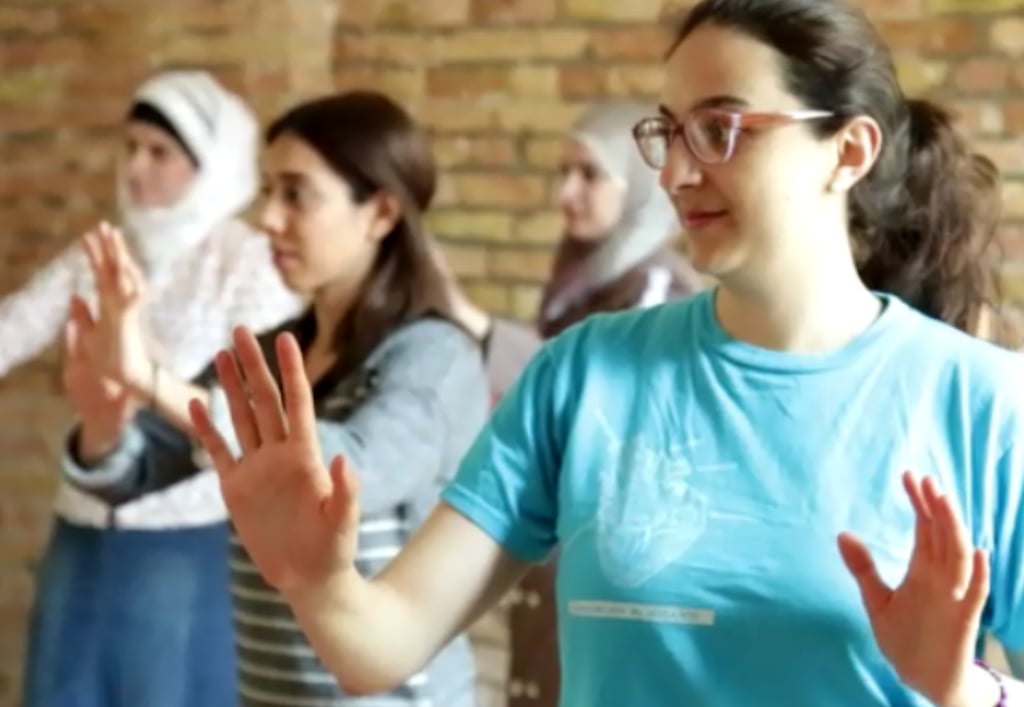
We don’t teach kids to look confident. We teach mechanics. Confidence follows skill.
In youth self-defense, confidence is often treated as the goal. But confidence built on performance cues—standing taller, speaking louder, projecting certainty—rarely lasts if it isn’t rooted in mechanics.
Capability builds confidence. Not the other way around.
When students understand how to organize their stance, distribute weight, coordinate breath, and recover balance, their movements stabilize. That stability changes how they feel in their bodies. Research in motor competence shows that perceived confidence increases when children experience measurable improvements in skill acquisition (PMC6084023).
In practical terms, this means teaching:
We do not coach performance. We coach mechanics.
When mechanics are layered correctly and reinforced consistently, students begin to trust their own coordination. That trust reads as confidence—but it is earned, not performed.
Youth programming that prioritizes visible skill progression produces durable agency. Students don’t “act” capable. They become capable.
Confidence is a byproduct of competence.