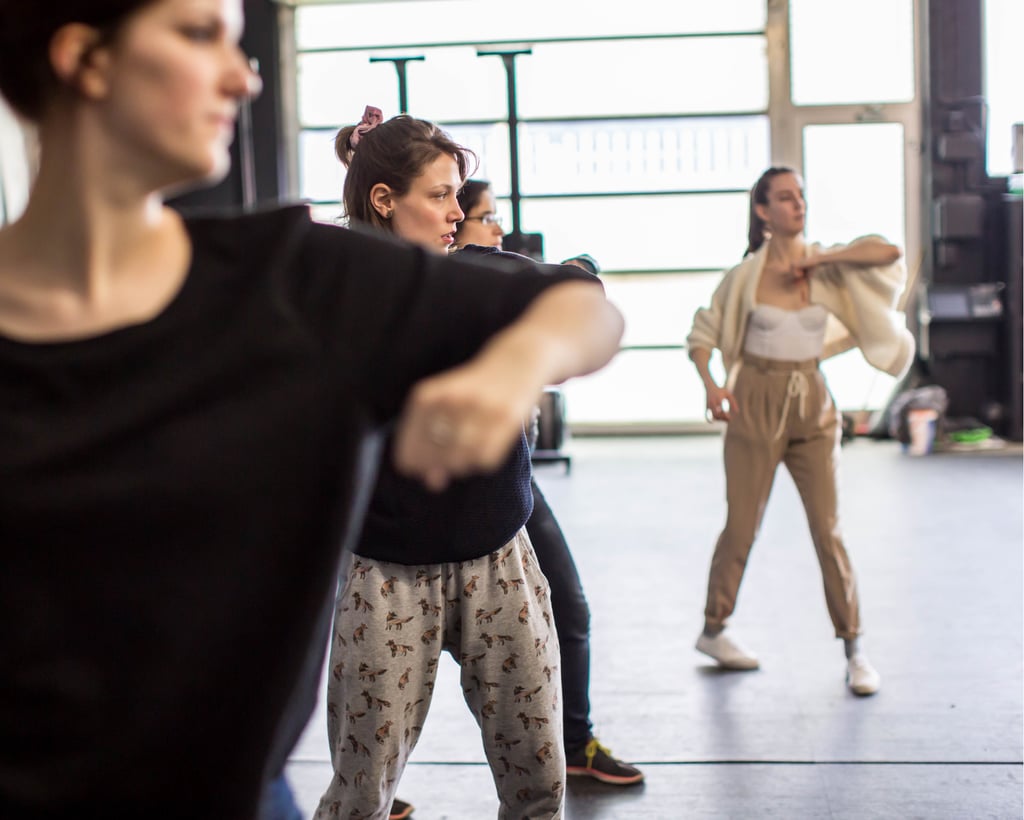
Instructors who ignore physiology lose students. We train professionals to recognize and adapt.
Physiology influences movement. Changes in arousal, fatigue, or emotional state alter posture, coordination, and breath patterns.
When instructors ignore these shifts, students disengage—not because they lack motivation, but because instruction fails to adapt.
Research on autonomic regulation demonstrates that movement quality shifts with nervous system state (PMC6137615). Increased muscle tension narrows range of motion. Breath holding disrupts coordination. Sequencing that does not account for these realities can fragment integration.
Professional instruction requires observation:
Is breath shallow or coordinated?
Has posture collapsed under complexity?
Is sequencing moving too quickly?
Adaptation might mean slowing layering, reinforcing fundamentals, or revisiting neutral stance before adding partner drills.
This is not about intensity. It is about physiology-informed sequencing.
When instructors recognize how internal state affects movement, they adjust progression accordingly. That adjustment preserves integration and keeps students engaged.
Skill development depends on meeting the body where it is—not where we expect it to be.