
PRETTY DEADLY SELF DEFENSE
10 YEARS STRONG

Age-Appropriate Progression Isn’t Intuitive. It’s Designed.
When progressive learning is designed well, students stop feeling like they’re failing at physical education, and start feeling like they’re growing into it naturally.
5/13/20261 min read
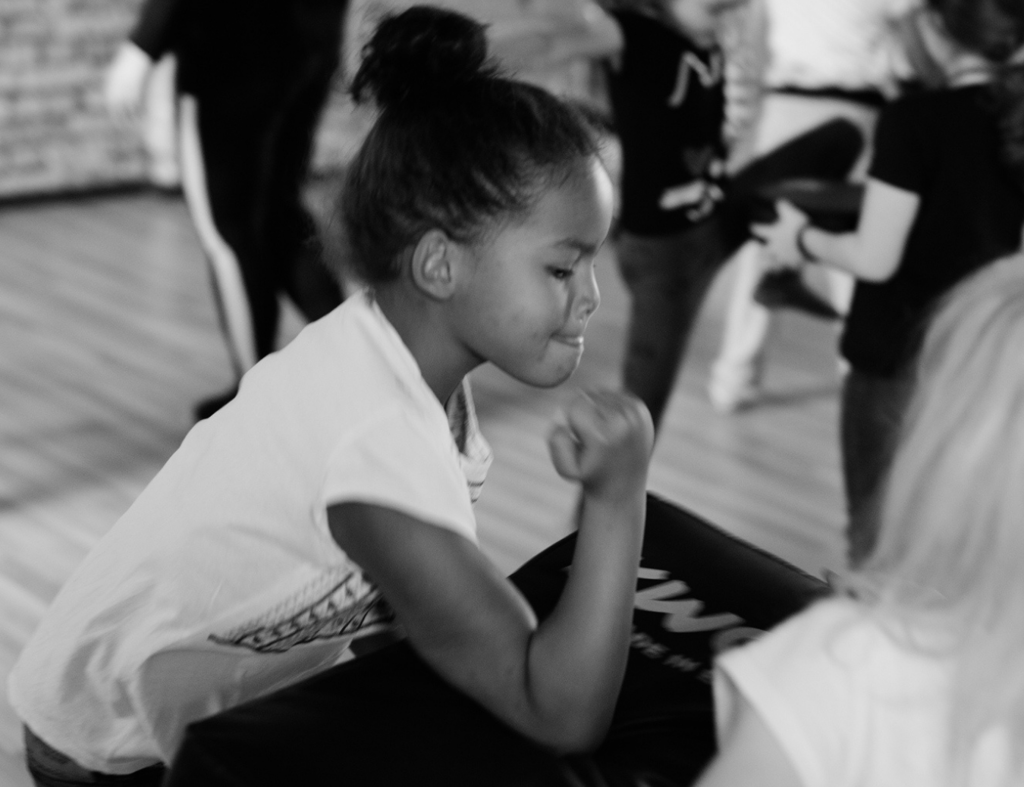
There’s a moment that happens in a lot of youth classes where an instructor looks at a child struggling with a movement and thinks, “Maybe they’re just not ready.”
And sometimes that’s true.
But just as often, the issue isn’t readiness. It’s progression.
Children don’t experience learning in smooth, linear ways. Their coordination changes. Their attention changes. Their confidence changes. A concept that feels easy one week may suddenly feel awkward the next because their bodies are literally reorganizing themselves in real time.
That’s why age-appropriate teaching can’t rely on instinct alone.
Good youth programming is designed carefully. It understands that younger children often need physical concepts introduced through repetition and play, while older students may need more context and autonomy to stay engaged. It recognizes that a ten-year-old and a fourteen-year-old are not simply “different sizes” of the same student.
At Pretty Deadly, we spend a lot of time thinking about these transitions. Not because we want classes to feel clinical, but because thoughtful progression creates a very specific feeling in students: relief.
Relief that they’re not “behind.” Relief that their bodies make sense. Relief that learning can feel steady instead of confusing.
When progression is designed properly, students stop feeling like they’re failing at self-defense and start feeling like they’re growing into it naturally.
That shift matters.
Because the best youth programs don’t just teach skills. They teach kids how to trust their own development.
© 2026 Pretty Deadly Self Defense. A project of Singe Holdings LLC
28 Geary Street, Suite 650 San Francisco, CA 94108
All rights reserved
Subscribe to our newsletter